
Projecten
New project on the Tibetan Plateau (Qinghai & Sichuan) |
In June 2017, KBDF was obliged to close down its project in Tibet Autonomous Region (T.A.R.) after 25 years of work and positive results (drastic drop of KBD prevalence). It was the unexpected and unfortunate consequence of the new law about the management of the overseas NGO in P.R. China and the end of the agreements between KBDF and its partner in Lhasa... After all, the Belgian team decided to carry on its commitment towards Tibetan population! According to scientific literature (CDC China), the provinces of Qinghai and Sichuan are identified as endemic areas for KBD too. For this reason, an explorative mission was realized, with the precious help of the Tibetan team of Lhasa. Rural areas of these provinces are inhabited by several kinds of population: farmers, nomads, semi-nomads and resettled nomads. These nomads are encouraged by the Government to settle down, without any knowledge and tools to live a sedentary live. This often leads to a more precarious family situation. These rural populations are certainly in needs and suffer from troubles linked with their very poor living conditions (malnutrition, bone diseases, gynaecological problem, etc.). 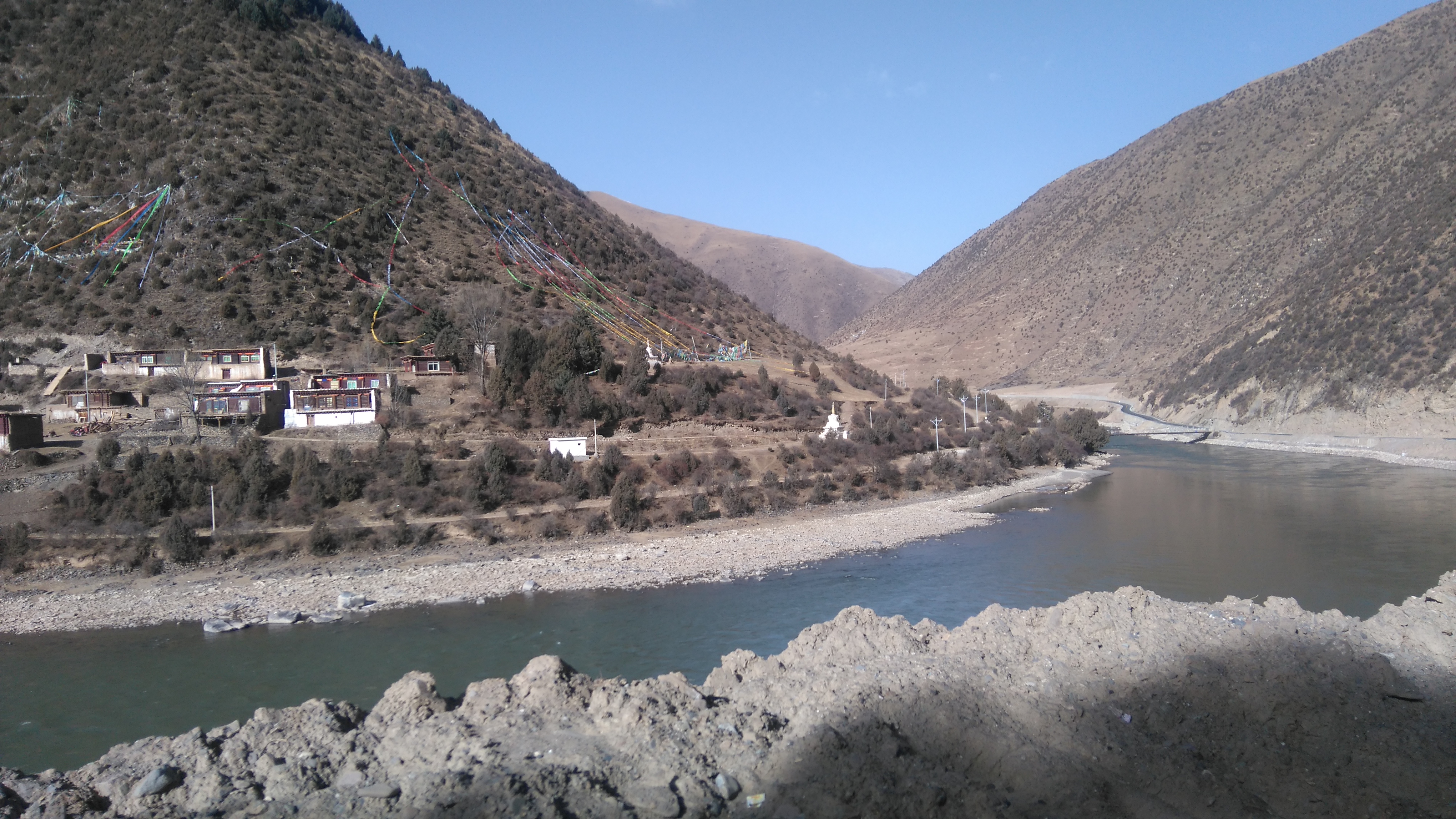 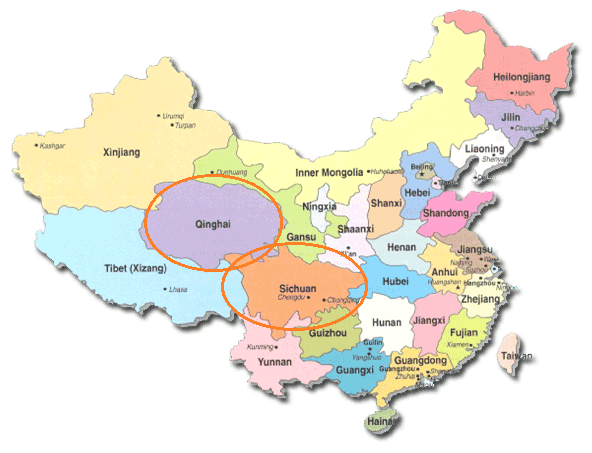 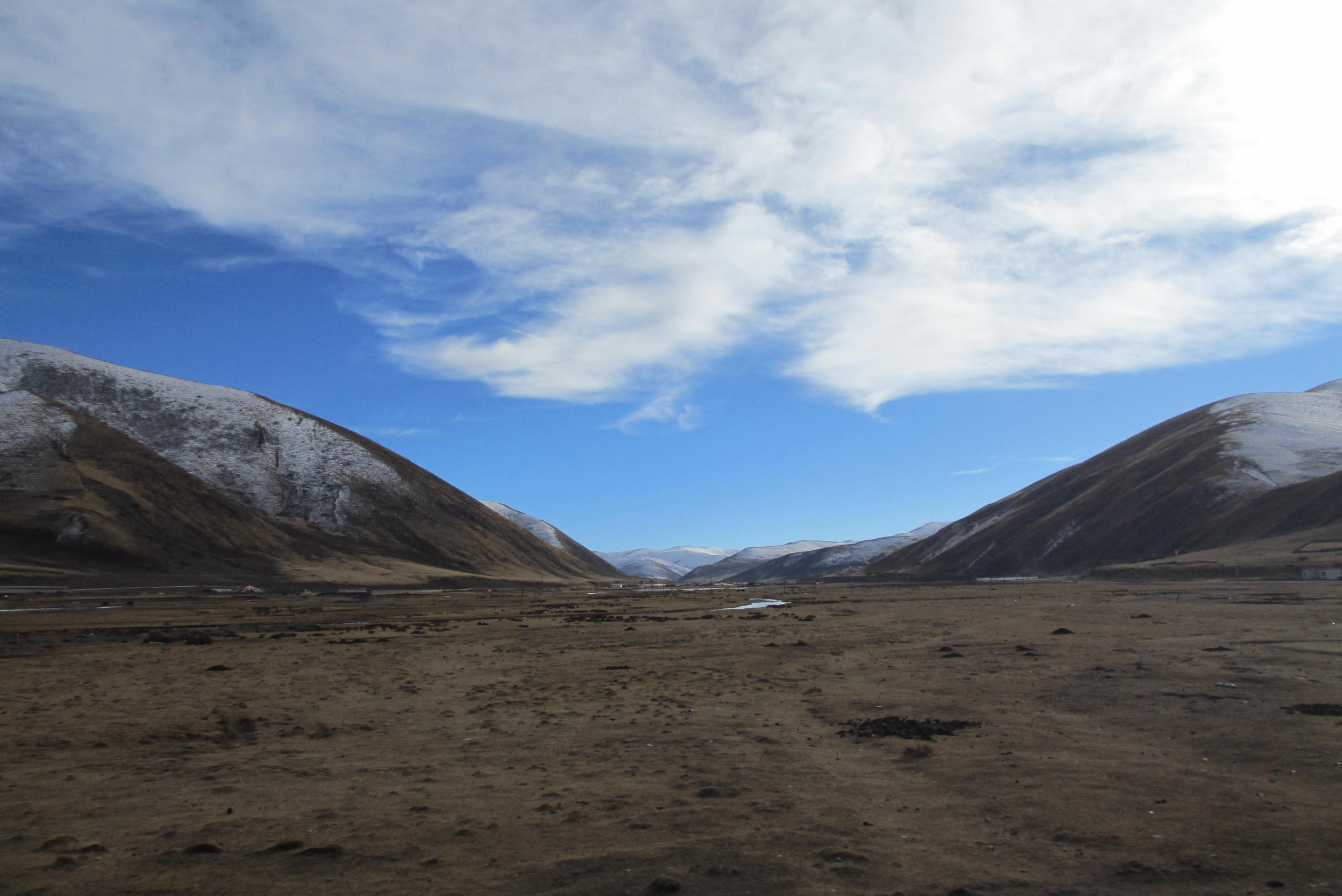 Following these observations and people met, KBDF team decided to use its experience and expertise on health, nutrition and food diversification to serve this underprivileged population. The first phase of the new project took place from September to December 2017. It was divided in 2 kind of activities and areas: 1) Greenhouses construction (Sichuan province) with the goal to improve and diversify diet (very poor and monotonous) of the Tibetan population. 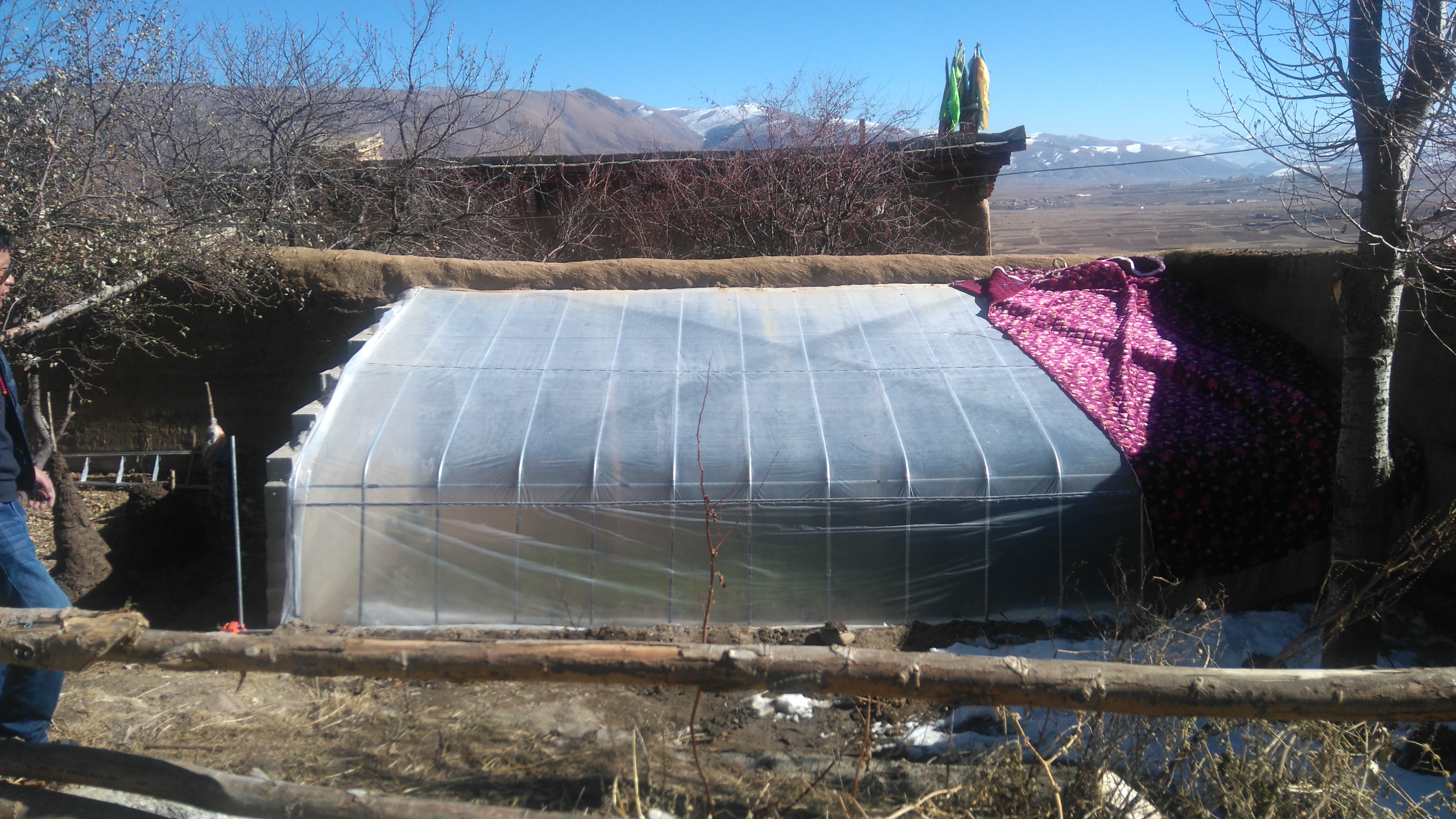 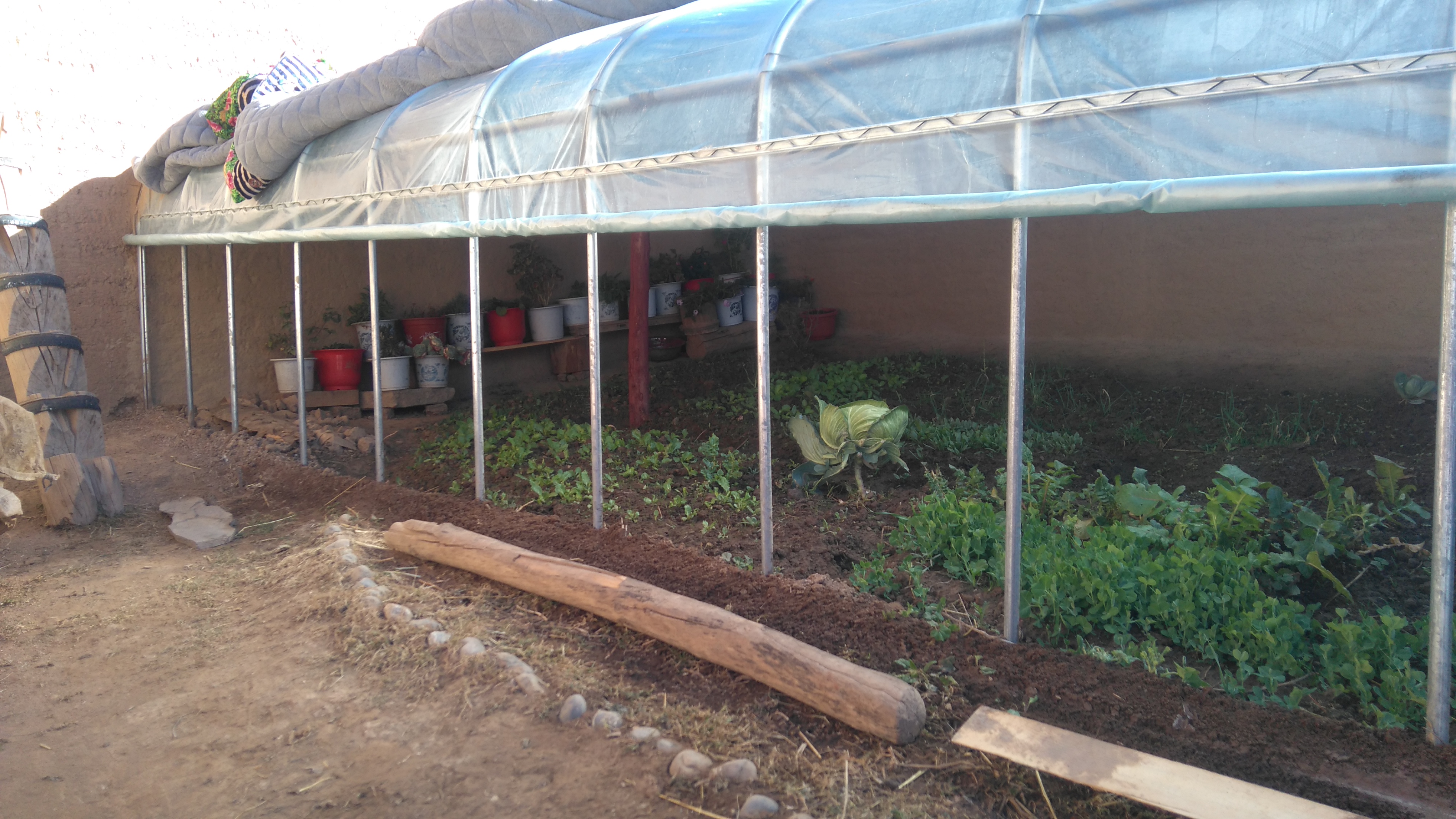 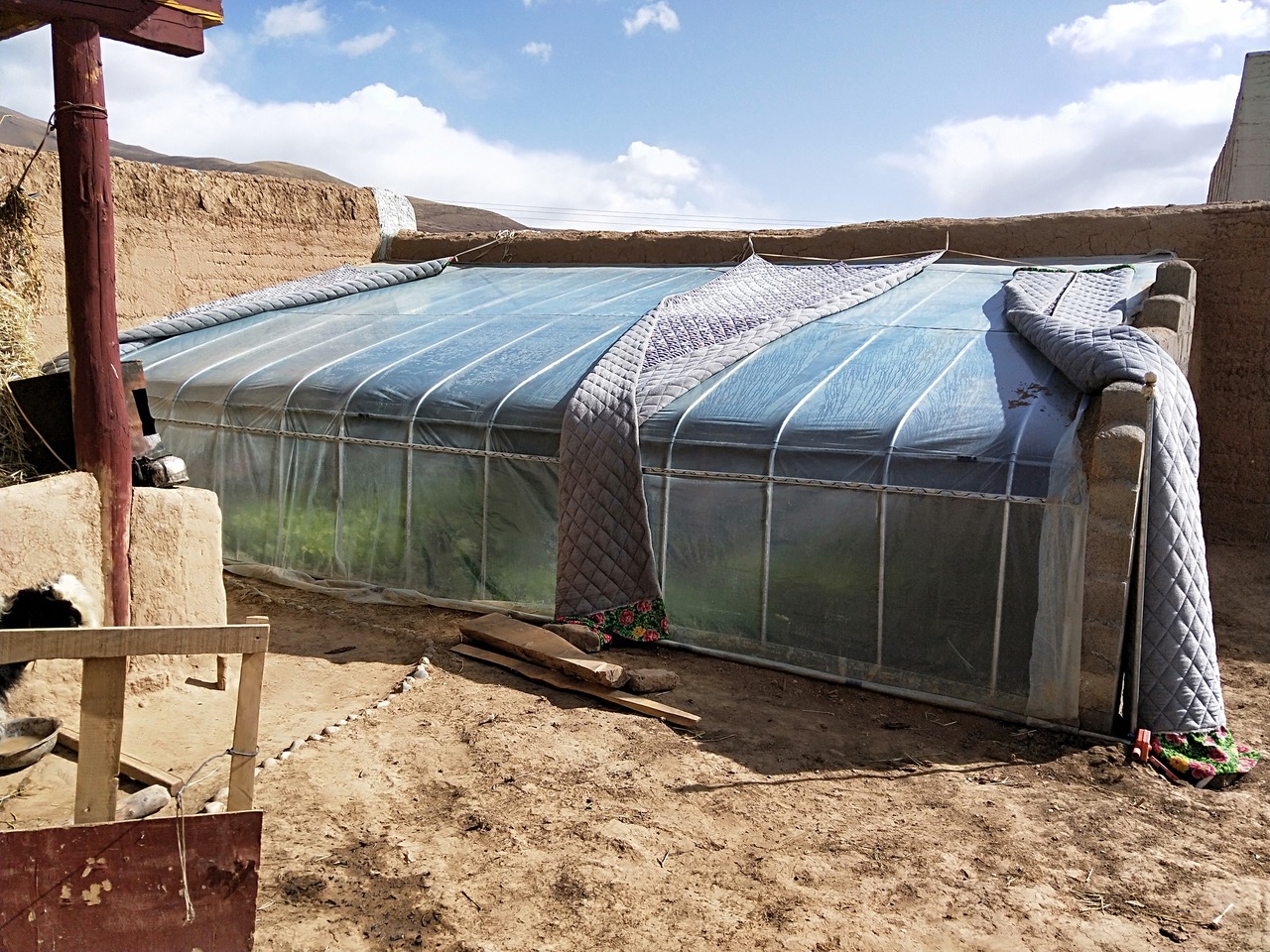 2) Health and hygiene promotion (Qinghai province) with the objective to raise awareness about basic health problems which could be avoided by changing hygiene habits. These activities were setup at small scale in order to test the implementation on the field, how villagers welcome the activities and their implication.  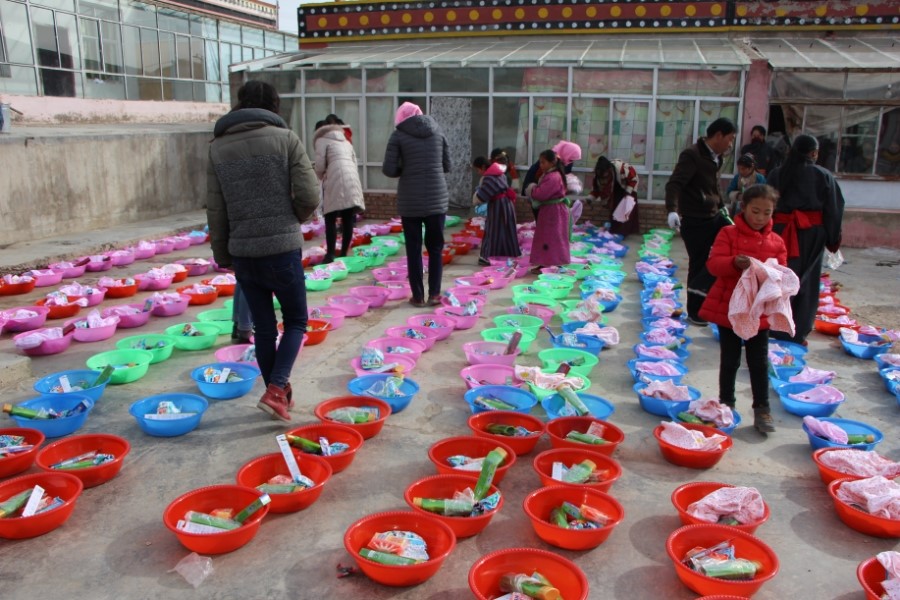  In December 2017, a field evaluation was realized with very positive conclusions, very promising for the future! For example, now families can grow vegetable during wintertime at 4,500 meters high thanks to their greenhouses! An important step towards a better diet for their children! Villagers were also very happy with training sessions about health and hygiene. They reported that they understood better the importance of simple hygiene habits and they will try their best to put into practice what they learned in their daily life. After this good evaluation regarding the implementation but also the results, KBDF decided to continue and to set-up a bigger project for 2018-2020. The general objective of the new project is to improve health conditions and daily life (poverty alleviation) of the underprivileged population of the Tibetan Plateau (Sichuan and Qinghai provinces). To achieve this, the project will be divided in several activities, based on KBDF expertise: - Food diversification by building greenhouses and teaching gardening practices. - Basic health issues prevention by improving population knowledge through training sessions on basic health, hygiene and nutrition topics. Original and interactive tools (audio, video, game…) will be created to arouse more participants’ interest and to ease the memorizing. - Punctual and targeted actions following the needs of the population, directly or indirectly linked with the first two topics. For example, one village doesn’t have running water. No way to build greenhouses there if they cannot water vegetable! So, the first step will be to facilitate water access by digging water reservoirs in families’ courtyards. Another example is also to install collective or familial solar showers, so they can put into practice what they learn during health promotion sessions. In parallel, KBDF will also enjoy the opportunity to explore these provinces said to be endemic for KBD. Regarding the research on KBD causes, it is still going on in Belgium. |
T.A.R. project (2009-2017) |
Nutritional and Environmental Measures for Patients Suffering from Kashin-Beck Disease in Tibet Autonomous Region (P.R. China) Since January 2009, KBDF, still in parallel with the research on the disease causes, has implemented and developed a programme supporting people in more than a hundred “natural” villages of the endemic area, dispatched over the Lhasa and Lhoca prefectures. The programme includes nutritional interventions in the population, with a specific focus on children under five suffering from Kashin-Beck disease, rickets and other disorders caused by nutrients deficiencies. In order to have some concrete results in term of better growth of the children and changes of diet habits of the people in charge of children, the programme is planned for ten years. The first phase includes 3 sections: 1. Children Nutrition Programme (CNP) 2. Food Diversification Programme (FDP) 3. Mycology Programme Then, with the set-up of the preventive measures and field observations, KBDF expanded its project with: 4. Sanitation Programme 5. Training Programme 1. Children Nutrition Programme (CNP) The main objective of the CNP is to prevent KBD in endemic areas, rickets and other bone diseases caused by nutrients deficiencies. A secondary objective is to build growth curves through the collection and analysis of data and compare to WHO/international standards. Village clinics are built or rehabilitated by KBDF. Every month, the field staff organises a distribution of vitamin D and calcium carbonate for all children aged between 0 to 59 months old, to lactating mothers and pregnant women. The children growth is also monitored by taking anthropometric measures. 2. Food Diversification Programme (FDP) The FDP is designed to provide long term and sustainable ways for the population in KBD endemic areas to ensure proper diversification of their daily diet. The main objective of this action is to reduce the incidence due to a monotonous diet, and thus contribute to a general nutritional improvement. To reach this objective, different activities are implemented in the villages: - Vegetables garden and seeds distribution - Seedbanks at village level - Tibetan Nettle Project (Protinet) with nettle as natural fertilizer - Familial greenhouses - Plantation of fruit trees - Local production of rape oil 3. Mycology Programme Fungal contamination makes barley inedible and is one of the possible etiological hypotheses for KBD. This programme has like main objective to reduce or to prevent the fungal contamination of the grains. The different measures have to be implemented, checked and supervised until it becomes new agricultural habits. The programme includes: - During spring time, disinfection of the seeds before planting. - During the harvest, dispatching of threshing machines and fans to ensure a better harvest. - During the storage, cleaning procedures for storerooms and good dryness of the grains by providing material such as metal shelves, air free bags, lime etc.; - Annual control through laboratory analyses of the efficiency of these measures. 4. Waste Management Programme This programme is not directly linked with the prevention of the disease, but with public health. The cleaning up of the villages is an important issue on which KBDF is working on, because there is no “culture” of garbage management. Mountains of cans, plastic bags and a lot of other waste surround villages. KBDF cannot ignore this problematic. Since 2012, KBDF has built three garbage collecting centres, fully operational today. Selective sorting is done and recyclable materials are sold, when it’s possible. 5. Training Programme Thanks to its expertise and particularly in view of sustainability, KBDF chose to implement training sessions linked to each programme. The objective is to be sure that the population and the health staff understand well the different measures and the goal of the project. KBDF also want to give them the possibilities to manage it by themselves when KBDF mission will end. Trainings are done at different level, for example: - For the CNP, there are health promotion and nutrition activities for people taking care of children. More medical sessions are also organized for village leaders and doctors. - For the FDP, there are trainings about greenhouses and seedbanks management, about seeds and fruit trees planting, etc. for villagers. - In the mycology programme, foreign experts give lessons (laboratory, etc.) to the field staff. |
Former projects in T.A.R. |
Curative health care & training It started in October 1992, as a pilot project: 2 physio clinics were opened and doctors were trained on the spot. Following a positive evaluation in December 1993, the programme extended. In total, 65 physio clinics in 13 different counties of 6 prefectures were set up in 28 communities and 37 villages. The main objectives of the programme were to decrease and treat the severe handicap of patients suffering of Kashin-Beck disease (KBD) and to introduce a new technique to the health workers and to train them. Since November 93, several training courses had been organised in Lhasa for all the doctors. In total, 92 doctors of different levels were given the training. Most of them were village or community doctors, but also doctors of county and prefecture level were trained. Every clinic received standard equipment, bought or locally made. In some villages, small clinics were build with the direct collaboration of the villagers. |
Physical therapy study It started in April 93 and was planned for 4 years. The data collection ended in March 97. The study had 2 main objectives: - to demonstrate the impact of the physical therapy treatment on the handicap of the people suffering from KBD - to carry out a clinical and radiological description of this disease to complete the literature (never any study about KBD was carry out in Tibet). |
Prevalence survey The objective was to establish a map of KBD prevalence in the whole Tibet Autonomous Region. At present, all the endemic zones of KBD in T.A.R. are known and as well as the prevalence rate of almost each prefecture. These results were presented during the International Symposium on KBD and Related Disorders what took place in January 1999 in Beijing. |
Epidemiological study It was a study to confirm the 3 main risk factors described in the literature: selenium deficiency, the grains and their culture, the water. Six hundred children were enrolled in the study. They were from 5 to 15 years old, living in 12 rural villages of Lhasa prefecture. * Selenium Transversal study The objectives were to characterize the KBD regarding its clinical, biochemical and radiological status and to identify KBD cases for a clinical trial of selenium supplementation. Longitudinal study: Clinical trial of selenium supplementation The objectives were to test the hypothesis of a relation between selenium deficiency and KBD. Following the results, to propose preventive measures. * Grains and culture The objectives were to test the hypothesis of a contamination of the grains during the harvest time and the storage period and to study the means of storage and the origin of the different grains. Following the results, to propose a preventive programme. * Water The objective was to verify the hypothesis that water is a risk factor for KBD because of organic materials (fulvic acid), some oligo-elements and minerals. |
Prevention trial Given the high public health impact of the disease in rural Tibet, and based on previous findings, it was hypothesised that a comprehensive prevention programme focused on a combination of defence and noxious factors will result in significant decrease of KBD in affected areas: - reducing fungal contamination of grains: optimal drying of grains before storage, improve storage conditions, seeds and plants disinfection - monitored iodine supplementation, in addition to the national iodine supplementation programme - antioxidant therapy : Vitamin C, Vitamin E, selenium supplementation as a combination - reducing organic content in drinking water : health education with regard to the use of drinking water from brooks or irrigation channels and to the use of appropriate water storage containers The aim of this project was to assess the efficacy of different combinations of preventive measures on the evolution of KBD. It was implemented on the field the last 4 years (1998 – 2002). |
Results * Clinical and radiological signs of KBD increase with the age. The most frequent clinical signs are joint deformities and pain. Later on, there is also a mobility restriction, which can be very severe. The most affected joints are the ankles, the elbows and the knees. * Selenium deficiency is extremely severe for the children but does not allow explaining the difference between cases and non-cases. The results of the selenium supplementation do not show any effect on the main symptoms and signs of Kashin-Beck either on growth or thyroid function once iodine deficiency has been corrected. * All the children are also severely iodine deficient. KBD is correlated with this deficiency. * Concerning the grains, there is a very strong correlation between the presence of 3 fungi in the barley grains and the KBD.There are 3 critical periods for the fungal contamination: - during the growth period of the plants, fungal contamination can occurred by infected seeds or by the field itself. - during the harvest time, when the bundles remain on the fields - after the harvest time, during the dryness of the grains, when they will be stored in bags. Families with KBD have a higher % of dark barley grains in the samples collected in their houses, indicating a possible role of barley varieties; some varieties may be more sensitive to fungal contamination. * Concerning the water, the KBD families use more frequently smaller water containers. The organic content (TOC) of the water in these containers was significantly higher than TOC in larger containers, suggesting that smaller containers do not allow sufficient time to deposit of organic matter. * Children from families with higher income and higher access to different nutrients are relatively protected from the disease, probably reflecting the access to more diversified food and possibly other oxidants nutrients such as vitamin C or E. In conclusion, the findings are compatible with the multifactorial environmental theory. Part of these results, with more details, are published in different scientific reviews. If you want to read more: see § Publications |
De effecten van een gecombineerde toediening van microvoedingsstoffen op de ziekte van Kashin-Beck in Tibet: een gerandomiseerd klinisch onderzoek.
|
Analyse en implementatie van maatregelen aangaande gezondheid, voeding en het milieu voor patiënten die lijden aan de ziekte van Kashin-Beck in de prefecturen van Lhasa, Lhoca en Shigatse. Autonome regio Tibet. P.R. China 2004-2007. Doel van de projecten - Bijdrage aan de verbetering van de nutritionele- en gezondheidsstatus van de populatie die leeft in de endemische gebieden van de KBD, en specifiek gricht op kinderen. - Het implementeren op grote schaal van curative maatregelen hoofdzakelijk gebaseerd op het ontsmetten van granen Voorgestelde maatregelen om de doelstellingen te bereiken Het werk is onderverdeeld in tweedelen, ieder corresponderend met één van de twee hoofddoelen.
|

